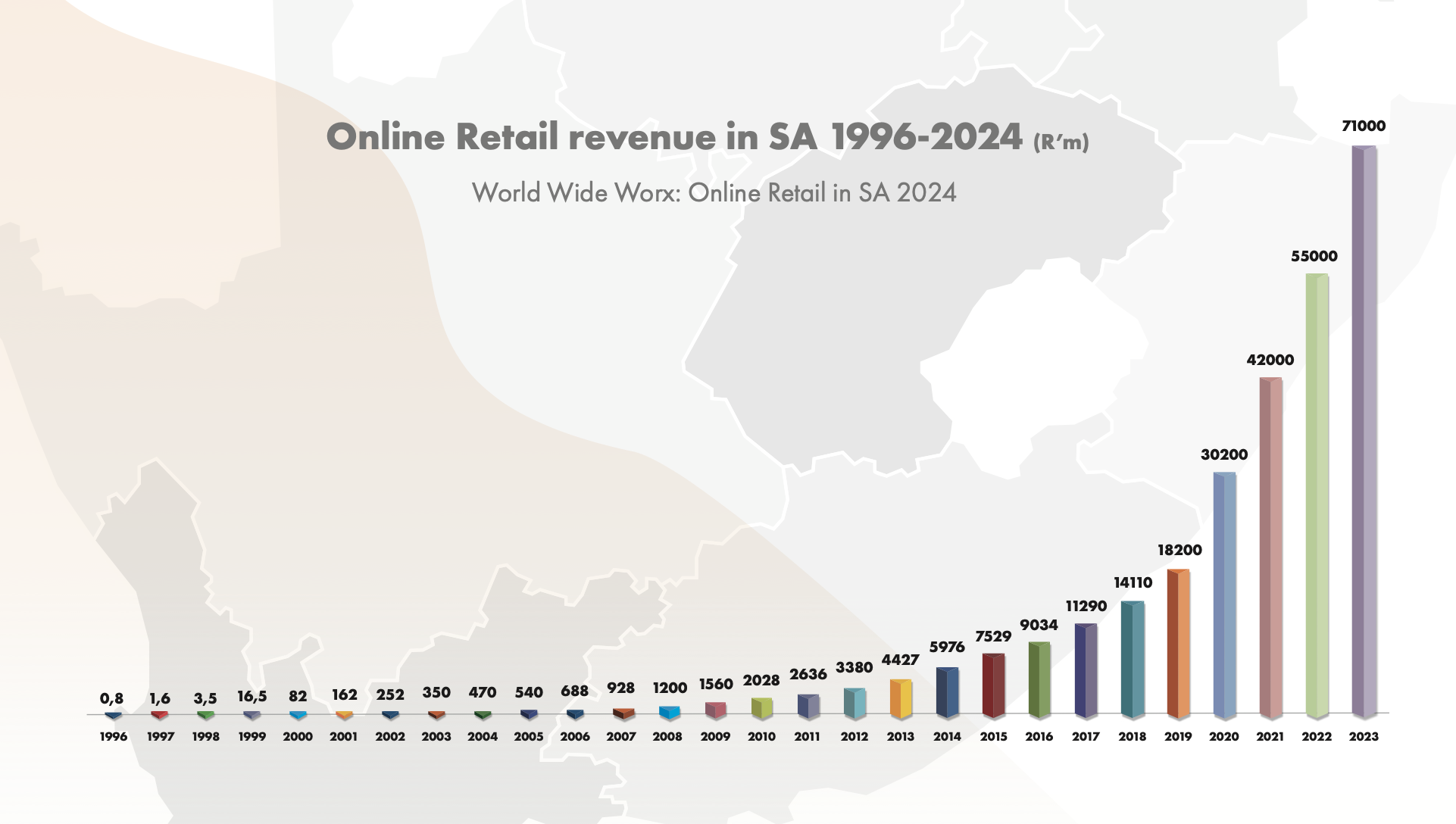
Arthur Goldstuck, one of our oldest members, produces an annual report on the state of the Internet in SA. We all get to see this one as it’s sponsored by Peach payments (kudos and thanks for sharing) and you can download and use it from here. Entrepreneurs find it useful. We can only say wow, since we started the total ecommerce has exploded from R3.5 million to R71 billion. That has to be a succesful internet society, or are we mixing that up with internet economy. Please comment!
Did you notice that the cost of fibre is going up and the speeds are too, whether you like it not. Do you use fibre or want to use fibre for your internet? Is your fibre fast? Is it reliable? Is it affordable? If these questions are important to you, you should join our group.
We, the Internet Society of South Africa (ISOC-ZA) was initially formed in 1997 in response to the exclusive telecommunications policy environment. We represented the interests of telecommunications users in national, provincial and local policy discussions, in the press and in any other relevant forum. After the Telkom mono/duopoly ended in 2007, we have continued supporting training initiatives. Until now, we have not been much involved in policy discussions because fierce competition has helped most users get online.
The purpose of ISOC-ZA is to serve the interests of the South African Internet community. In fulfilling this purpose we serve all persons and entities who are in the SA or who are interested or involved in the South African Internet community. ISOC-ZA is broadly inclusive on a regional, linguistic and racial basis and the community whose interests it shall serve is construed as widely as possible.
Now, in 2024, we recognise that with the provision of fibre, we can and will see many monopolies emerge. This will make the internet lives of some South Africans problematic again. Many Fibre Network Operators (FNOs) are not managed with best practices for open access networks, which also results in much pain for users.
So we have created the ISOC-ZA Fibre Forum, where you can air your views, to get support and help us create submissions to policy makers.
Please join us if: You want to know about the laws and guidelines for fibre operators You want help with submissions to various industry and governmental bodies You wish to air your views and share information about your desired or undesired fibre provider
You can follow us on: Email – join the mailing list here https://mail.vanilla.co.za/lists/mail.vanilla.co.za/listinfo/isoc.org.za-fibre Facebook – https://www.facebook.com/ISOCza/ Discord – https://discord.gg/fY9ucN9c And more to come…
The Internet Society was founded by two of the “fathers of the Internet” — Vint Cerf and Bob Kahn — to facilitate and support the evolution of the Internet and its beneficial use. They are also accredited with the technical invention of the Internet. Both seen here talking about it candidly, and we are sharing this with you as we feel the same way about the Internet Society of South Africa.
We’re having a short AGM together with our sister organisation Internet South Africa. There will be a short reportback on activities and an appeal to read the ZADNA regulations out for comment. The event will be the first time we have two locations (Joburg and Cape Town) happening concurrently online and realtime. Internet South Africa is now the only Internet Society chapter in South Africa and boasts a 24 year history. We are still, one of the oldest and largest chapters in the world. Hope to see you there 🙂
Time: Beers start flowing from 5:30pm, meeting 6:30pm – 8pm
Joburg: Protea Hotel, Wanderers Cape Town: Protea Hotel, Fire and Ice
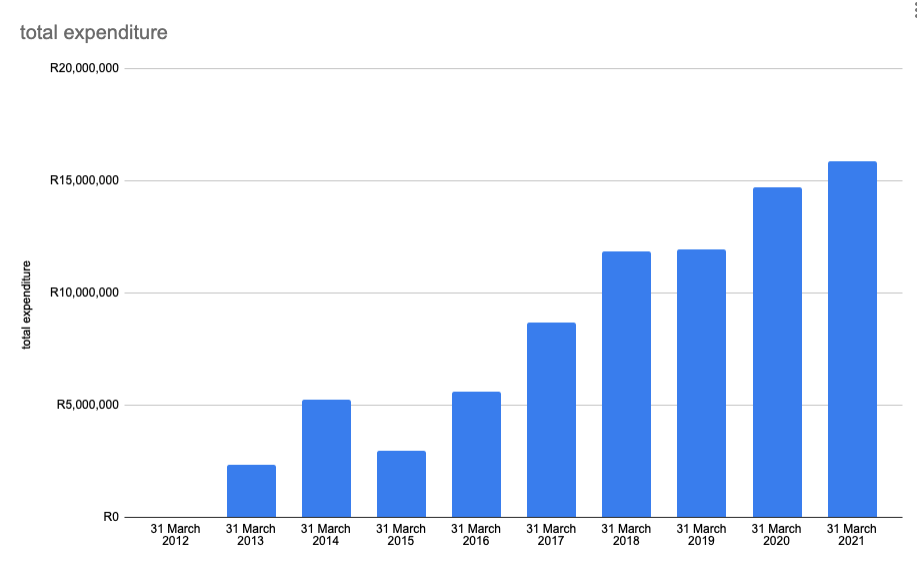
Yesterday we submitted the following response to the budget advertised by the zaDNA last month. We will be following and hope to engage further with their new board of directors. The following are key points:
Income has flattened, this is the first time that there has been a decrease in the number of .za domain names registered
Expenditure has increased year on year, and although the budget suggests decrease in income, it proposes increase in expenditure
Budgeting process follows previous budgets rather than actuals
Emoluments to Directors account for almost R1.5m expense
zaDNA was established in 2011, funded in the first year by government, previously the function was managed by one person, largely on a small university budget
Have you seen these photos in ads on Facebook? or on other news sites?
The following one is similarly common:
These are all scams and frauds, and there are many more like this. Please do be careful to double check all facts before believing anyone. Mark did put out a warning many years ago yet the frausdsters continue.
One of our most profound members and supporters has asked us to advise you that you should report them every time that you see tham, we all should!
17 December, 2019 (10:45) | Uncategorized | By: Alan
Some South Africans do have access to and participate in the 4IR, the government is trying to find ways for more to participate. This research is evidence that we have the technology. Sadly, we’re not confident that our government can make it happen. Please help us to help them…
We have been supporting and attending iWeek for twenty years, and the ISPA have decided this is the last. If you’re not sure if that’s true, keep in mind that it’s free and the attendance has not been growing (except at the Cape Town venue).
Iweek is definitely the one national industry conference about the internet industry, always with great things to learn and interesting people to meet.
There is a great programme focussing on practical issues for South African ISPs — dealing with pressures to police content, developing staff skills, and surviving in a rapidly evolving and highly competitive access market. SAFNOG-5 will be taking place in conjunction with iWeek, so there will also be plenty of quality technical presentations for iWeek 2019 delegates to attend.
We are feeling a new regime in South Africa and with it will hopefully come some improvements regarding Internet Access for those that previously could not, for both economic and geographic reasons. Whilst the last PNC included many global experts, this one is made up of local leaders of industry.
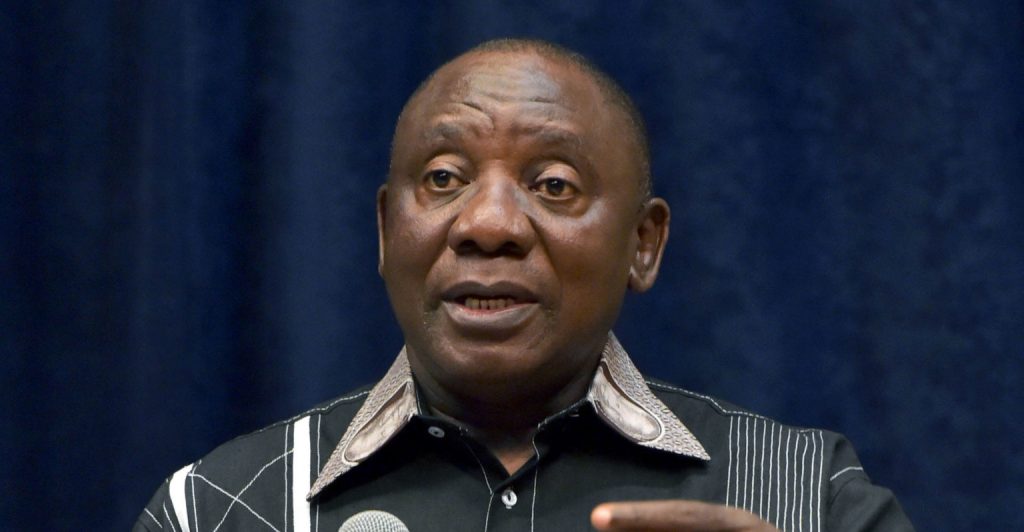
The President says ““The commission will assist government in taking advantage of the opportunities presented by the digital industrial revolution,” the presidency said in a statement on Tuesday. The task of the commission, which will be chaired by the president, is to identify “relevant policies, strategies and action plans that will position South Africa as a competitive global player”.
The first 4IR Summit was held 11 April at Wits University and everyone is revved up, read more here.
ISOC-ZA are hopeful and optimistic, what do you think?